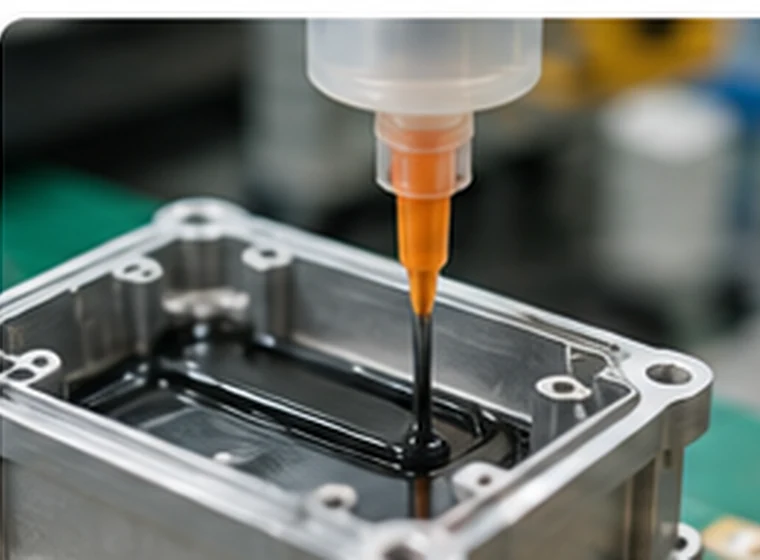
Epoxy
2K structural bonding, potting and encapsulation for electronics, automotive and industrial parts.
Material viscosity, fillers, 1K/2K chemistry, cure method, working time and temperature determine the fluid handling architecture.
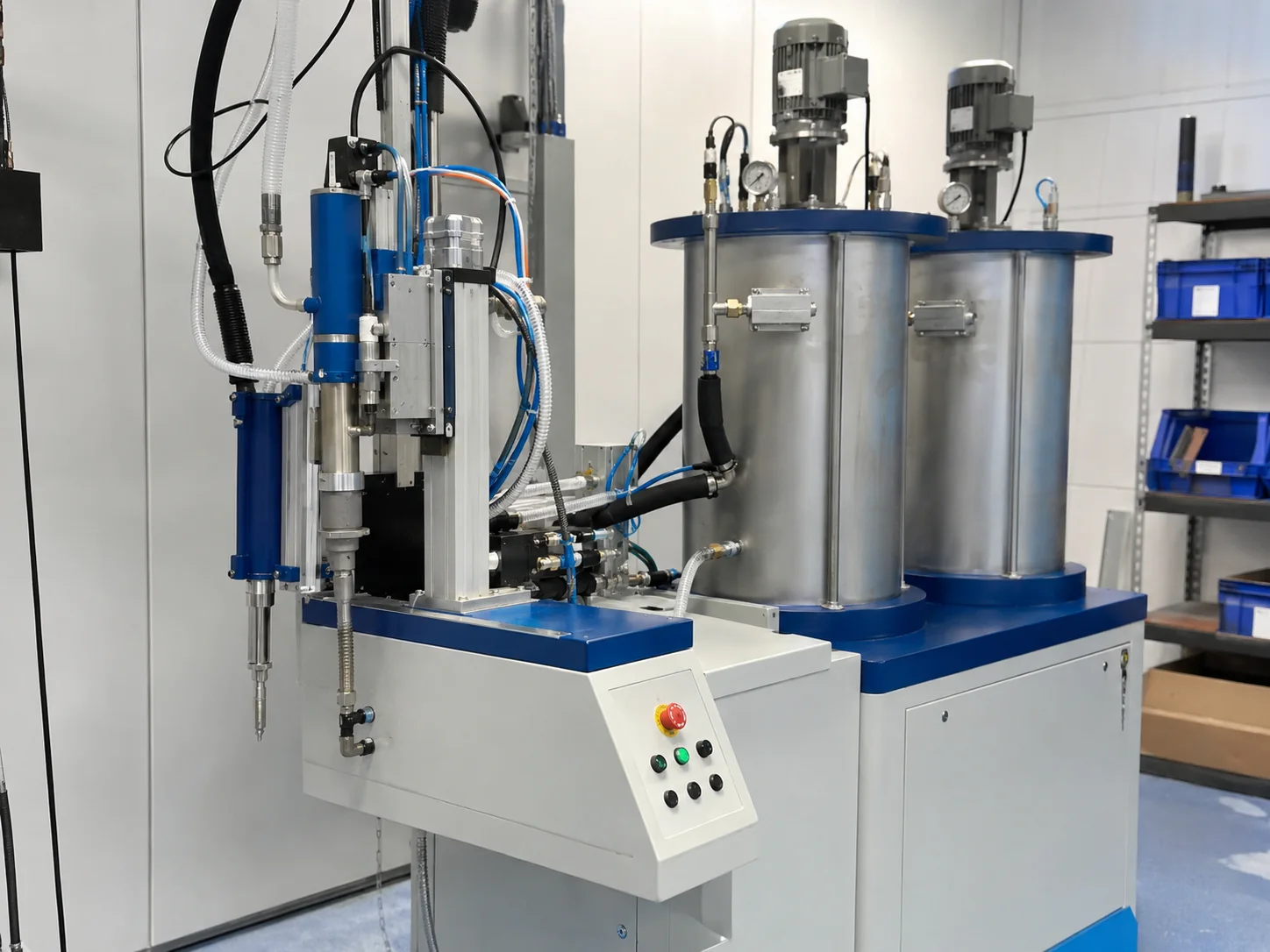
See the material together with the dispensing scene. Chemistry selection is tied to bonding, potting, sealing, UV curing and thermal management.
2K structural bonding, potting and encapsulation for electronics, automotive and industrial parts.
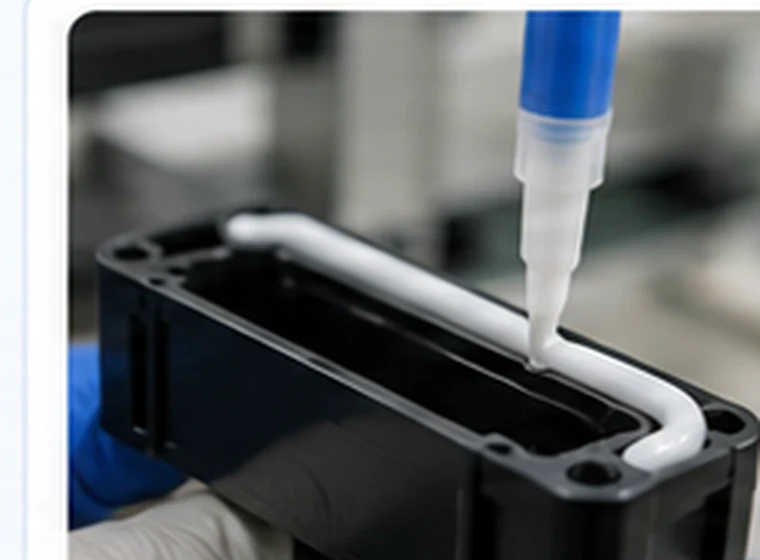
Sealing, thermal management and electronics protection for EV, consumer electronics and outdoor products.
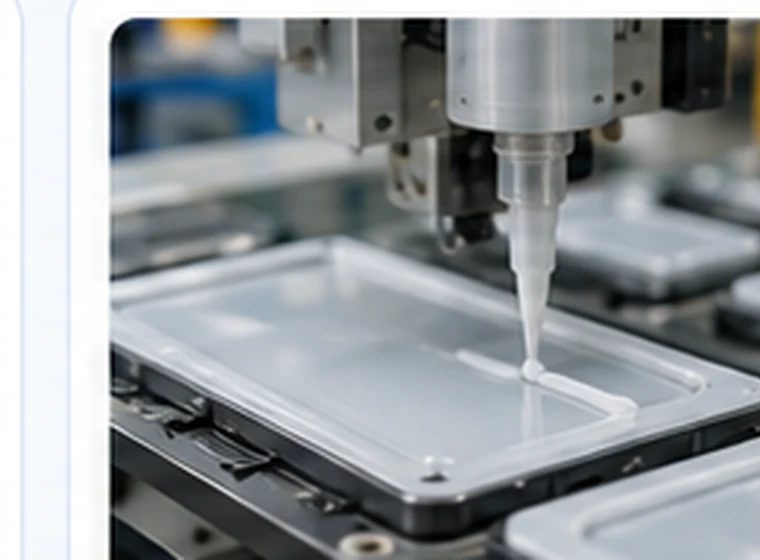
Flexible bonding and encapsulation with good resilience for automotive, new energy and industrial assemblies.
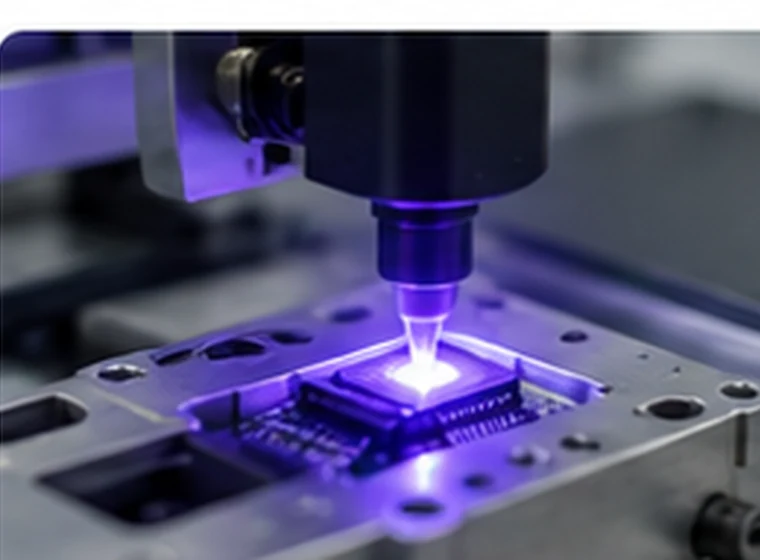
Fast curing optical and electronic assembly, often used for camera, sensor and display-related parts.
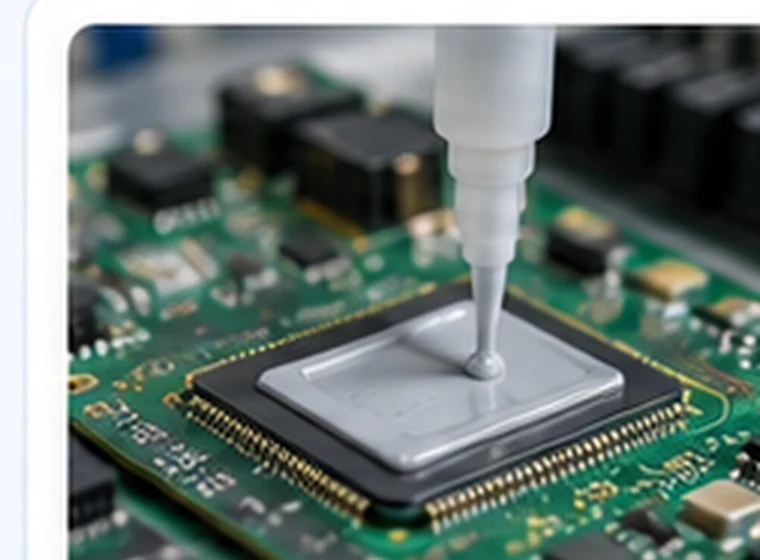
Thermal grease, gels and gap fillers for heat management on electronic components and housings.
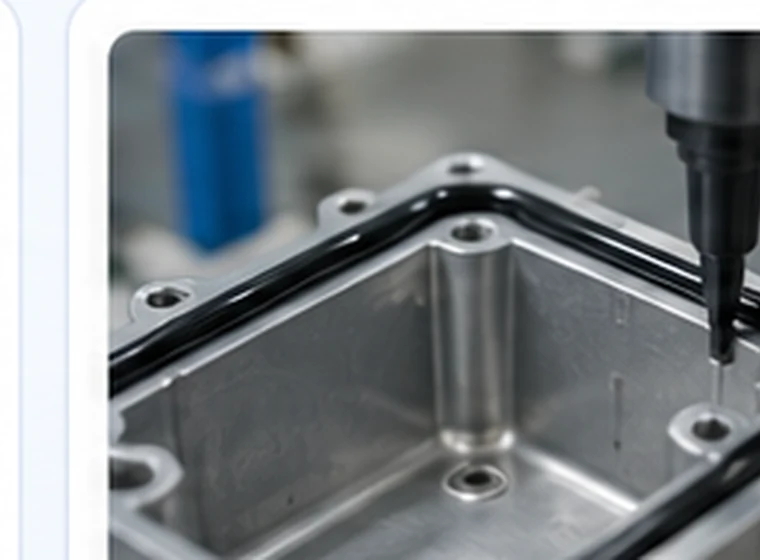
Housing sealing and moisture protection for electronics, automotive and outdoor equipment.
Viscosity, fillers, mix ratio, curing, shot size and degassing requirements directly affect pump, valve and process design.
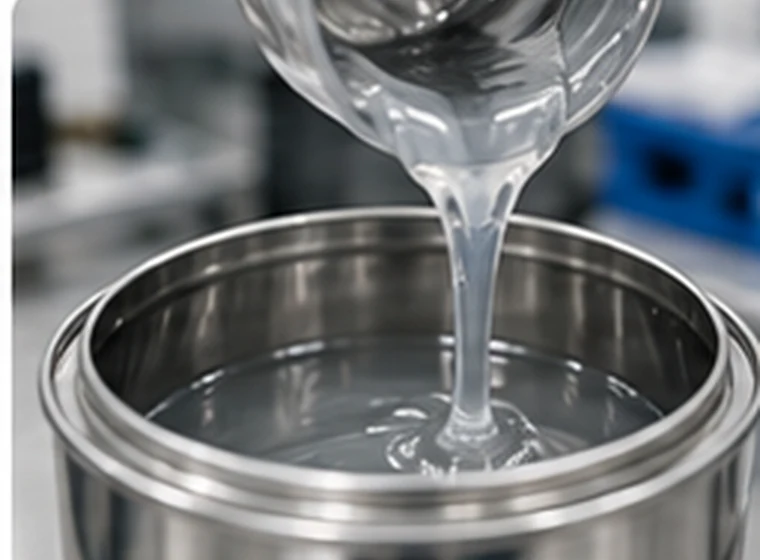
Low viscosity flows easily, while high viscosity often needs larger passages, stronger feed pressure or screw / piston metering.
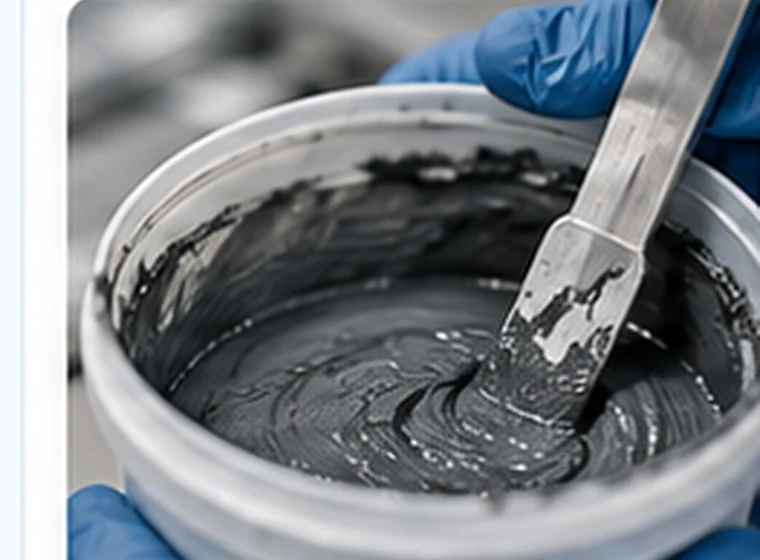
Abrasive or thermally conductive fillers influence wear resistance, channel design, valve structure and pump selection.
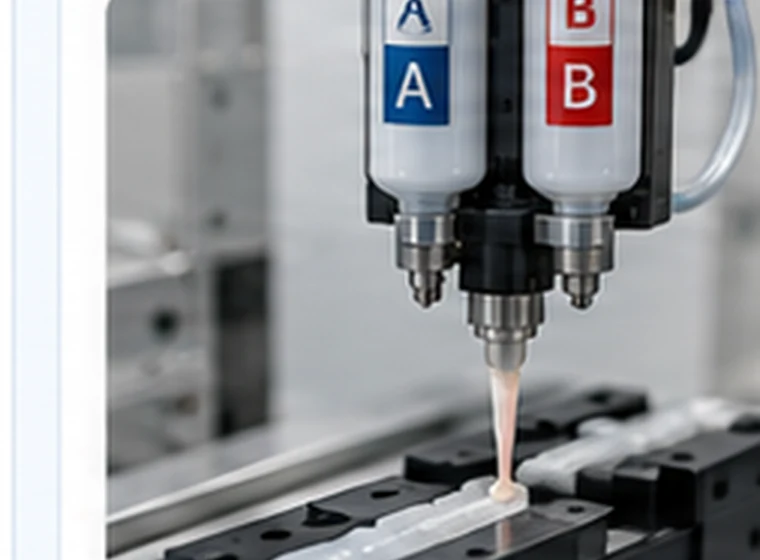
Stable 2K ratio and working time determine whether the process needs dynamic / static mixing and what metering method is suitable.
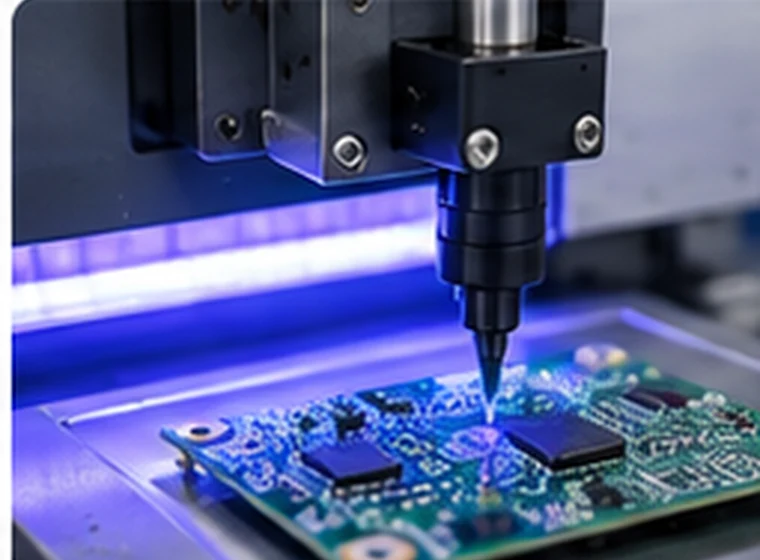
Heat, UV, moisture or room-temperature cure changes the takt, equipment choice, fixturing and cleaning requirements.
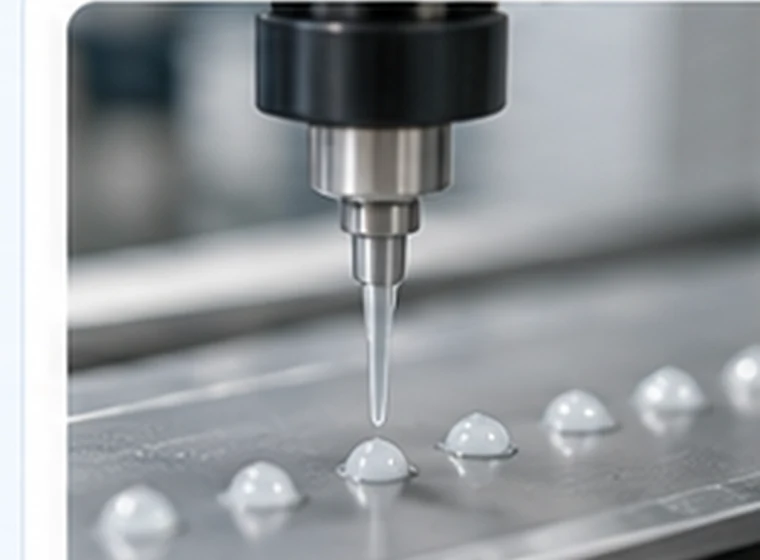
Micro dots, continuous beads and larger filling volumes require different valves, flow paths and precision levels.
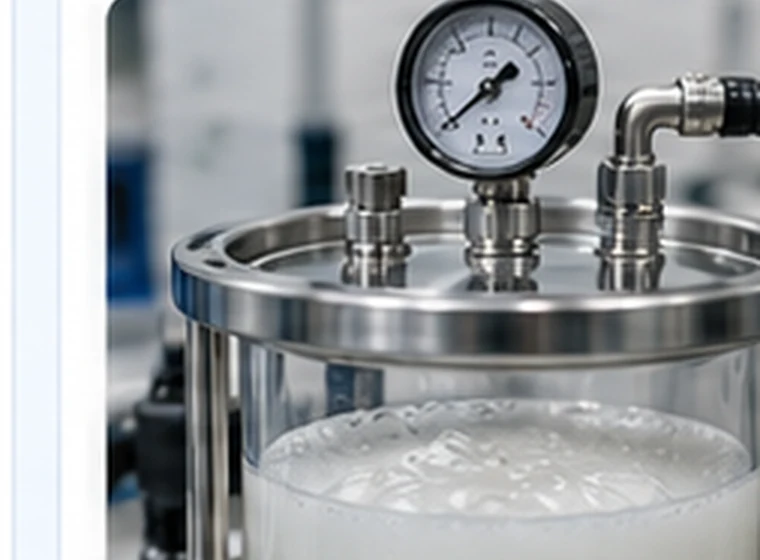
Bubble-sensitive potting or encapsulation may require vacuum steps or material pre-conditioning for a more stable process.
Materials with the same chemistry can behave differently by brand, filler content and working time. TDS and sample testing are recommended before final configuration.